During WWII, young Japanese Americans (Nisei) incarcerated at the Minidoka Relocation Center in Southeast Idaho, faced a paradox: fight for a country that had stripped them of their civil liberties, taken away their freedom and placed them and their families behind barbed wire, not because they were the enemy but because they looked like the enemy; or, resist the draft because they and their families had been unconstitutionally and unfairly incarcerated.
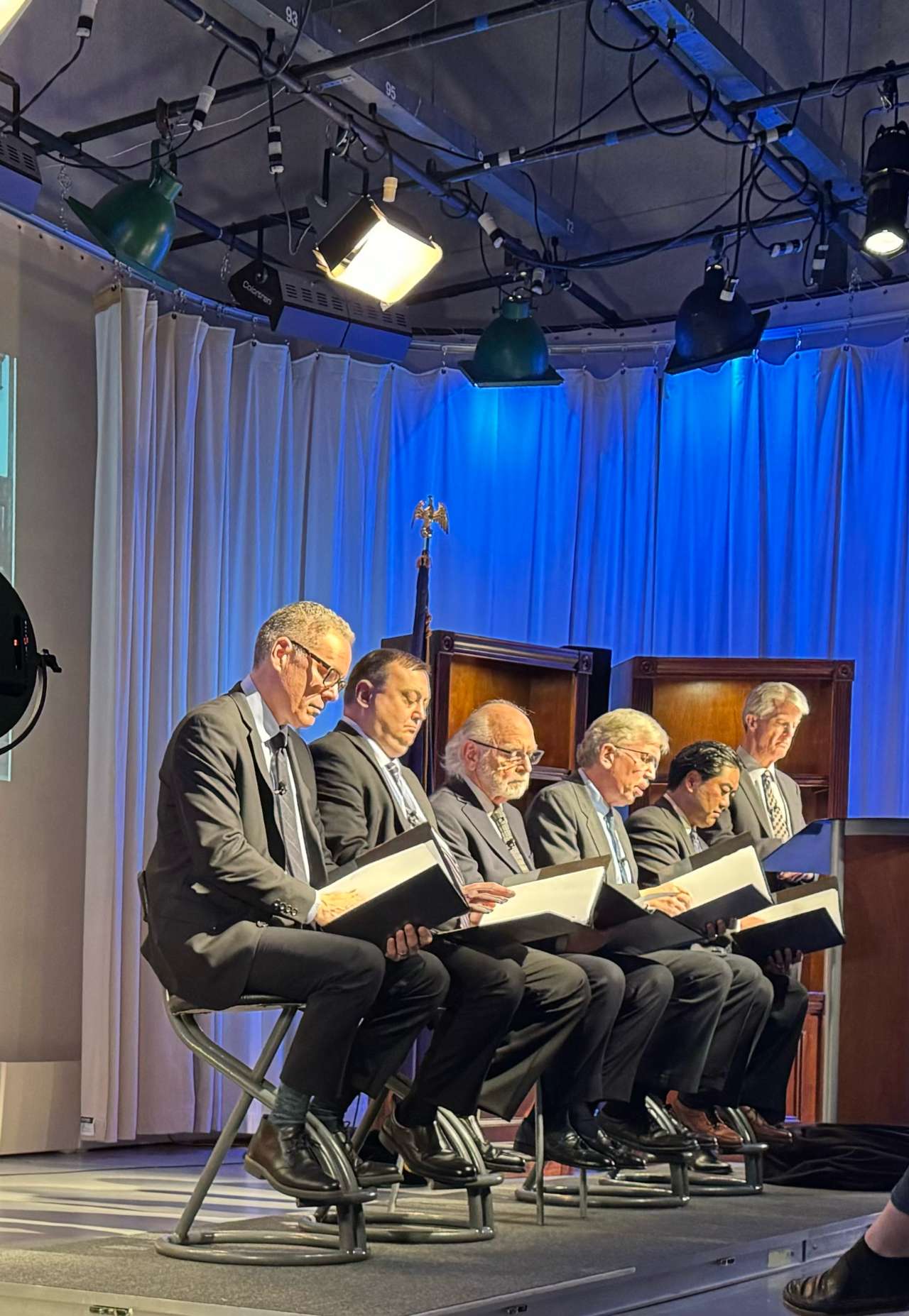
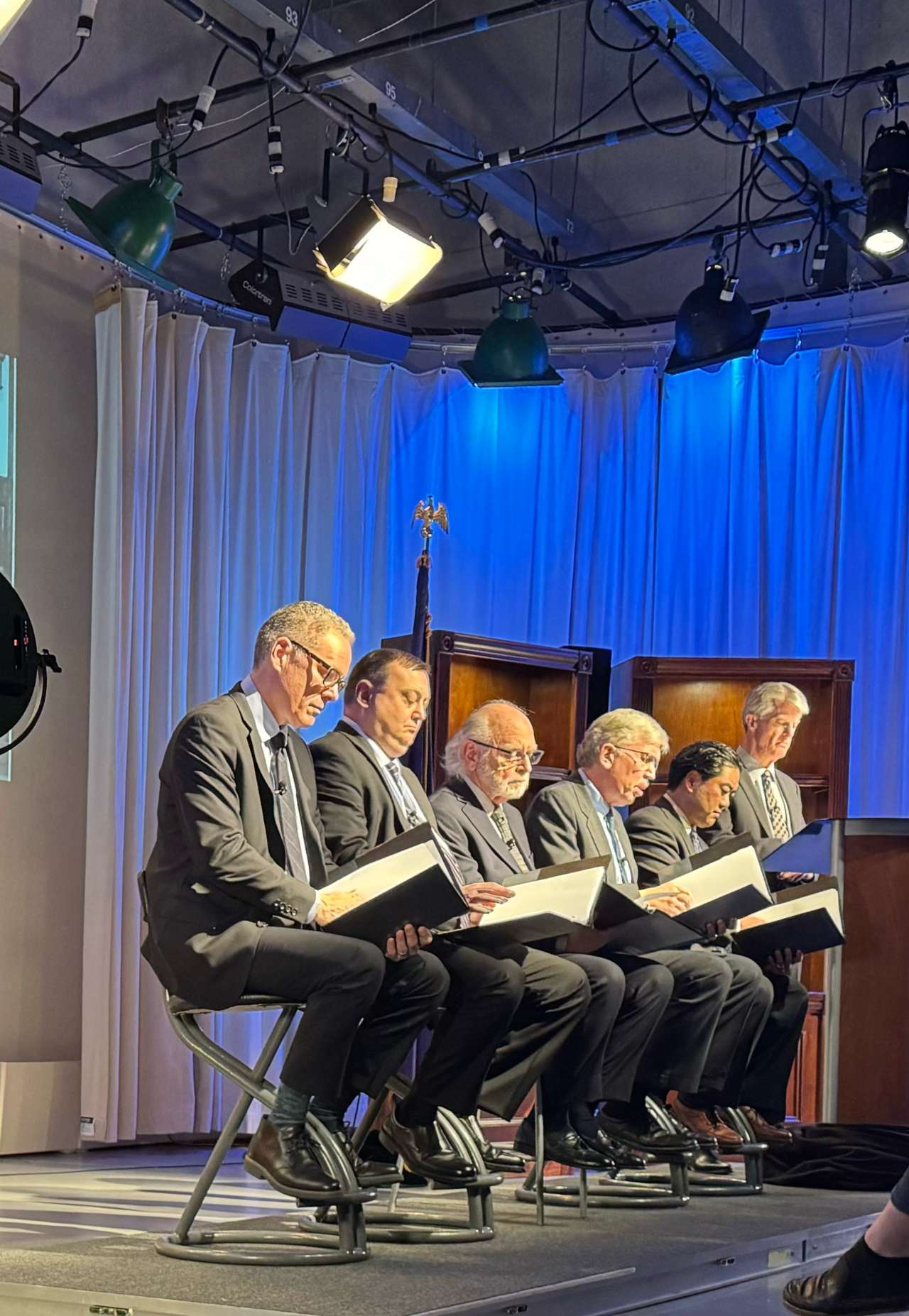
The Nisei Paradox, a multi-media stage reading created, produced and performed by a group of judges and attorneys, tells the story of 42 young Japanese Americans who chose to resist the draft and fight injustice through civil disobedience. These young men chose a different type of courage than the many Nisei incarcerees who went to war—they chose to resist, to oppose unfair treatment, to stand up to a stacked legal system, only to lose their freedom for a period longer than the 2-year conscription period, longer than the incarceration camps were open, and longer than the war itself.
The Nisei Paradox examines issues still relevant today and explores the many faces of patriotism and courage.